

Michael Smerconish is on a mission to restore American common experience — his prescription for the nation’s societal disconnect and polarization. The SiriusXM and CNN host calls it the Mingle Project.
For years, Smerconish has offered commentary on the cause of America’s political divide, citing polarizing media, closed primaries, the absence of campaign finance reform, gerrymandering, and eroding trust in institutions — an analysis grounded in data, social and political science, and anecdotal evidence drawn from three decades in talk radio and television.
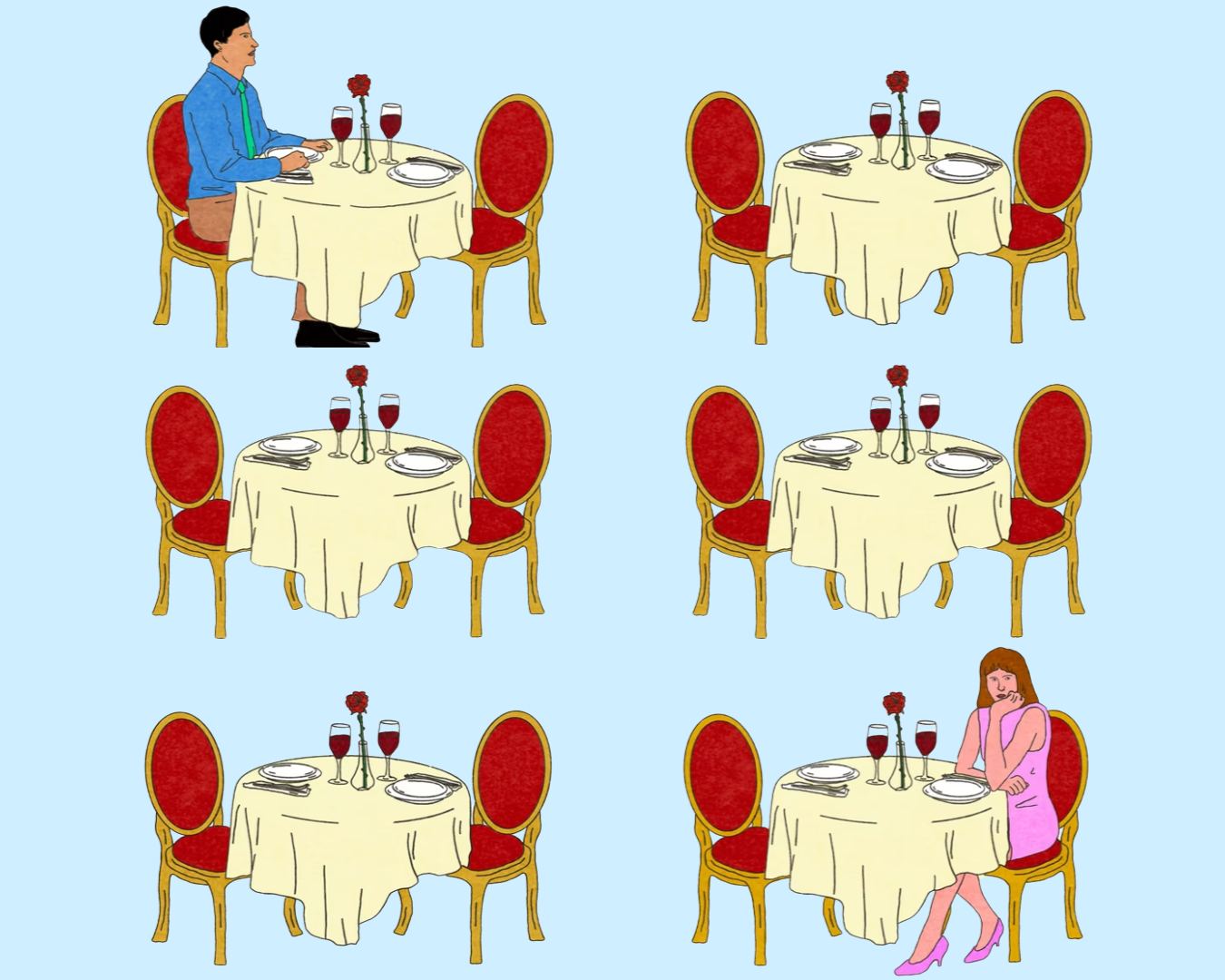
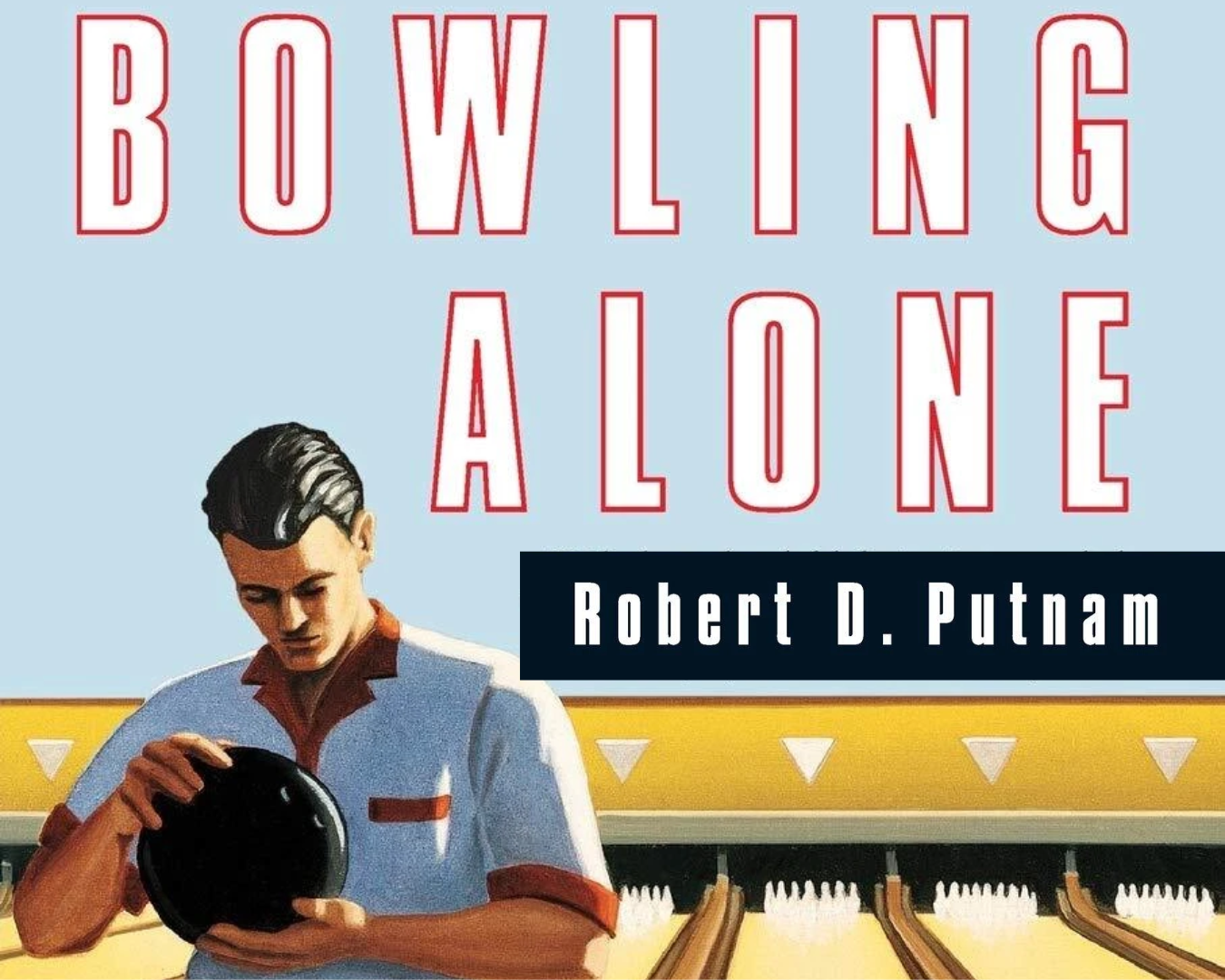
His epiphany came from a Washington Post story noting that, for the first time, more American schoolchildren ride to school in a private vehicle than on a public school bus. The story conjured childhood memories of riding Bus No. 5 to Doyle Elementary School in the Philadelphia suburbs, driven by “Mr. Larlick.” Just as Robert Putnam found meaning in the decline of 1950s bowling leagues in his native Ohio, Smerconish seized on the collective bus ride as a metaphor for society’s self-sorting: we’re no longer neighborhoods boarding the same bus toward a common destination. Instead of mixing with acquaintances and making new friends, our children are isolated with their parents.
That realization reframed years of author interviews — once interesting one-offs — into pieces of a larger puzzle: Robert Putnam’s Bowling Alone, Charles Murray’s Coming Apart, Bill Bishop’s The Big Sort, Richard Louv’s Last Child in the Woods, Jean Twenge’s iGen, and Jonathan Haidt’s The Anxious Generation, among others.
What America lacks most, Smerconish concluded, is the common experience Bus No. 5 once provided — a hunch confirmed when he investigated his old bus driver and discovered a WWII veteran married to the same woman for 61 years, active in numerous veteran, civic, and fraternal organizations in his hometown. Mr. Larlick “mingled” — a nod to comedian and social commentator Bill Maher, who argued on HBO’s Real Time in 2022 that “our real division isn’t between red and blue, it’s people on both sides who are unwilling to mingle with Americans outside their political tribe and have no idea what they’re really like.”
A sold-out speech Smerconish delivered on this subject in Asheville, North Carolina, was released on YouTube as the Mingle Movie. He also hosted a one-hour CNN special, airing June 13, 2026, featuring interviews with leading voices on the subject: Robert Putnam, Charles Murray, David Wasserman, Scott Galloway, Debra Soh, Dr. Tami Benton, and Dr. Ezekiel J. Emanuel.
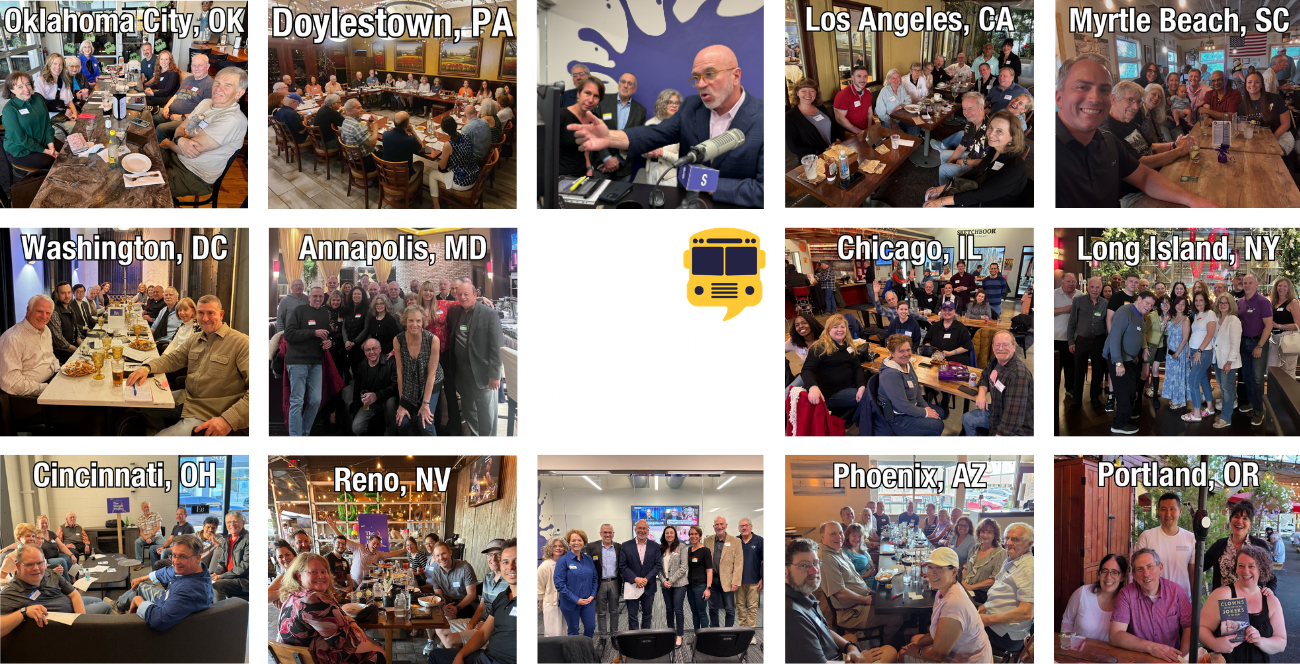
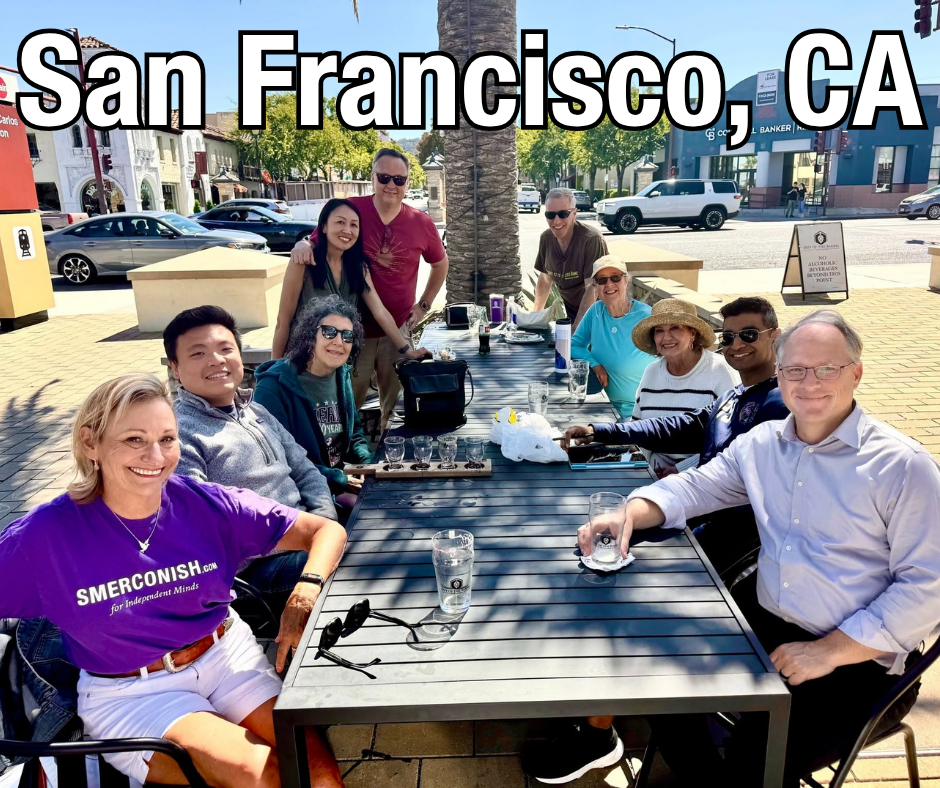
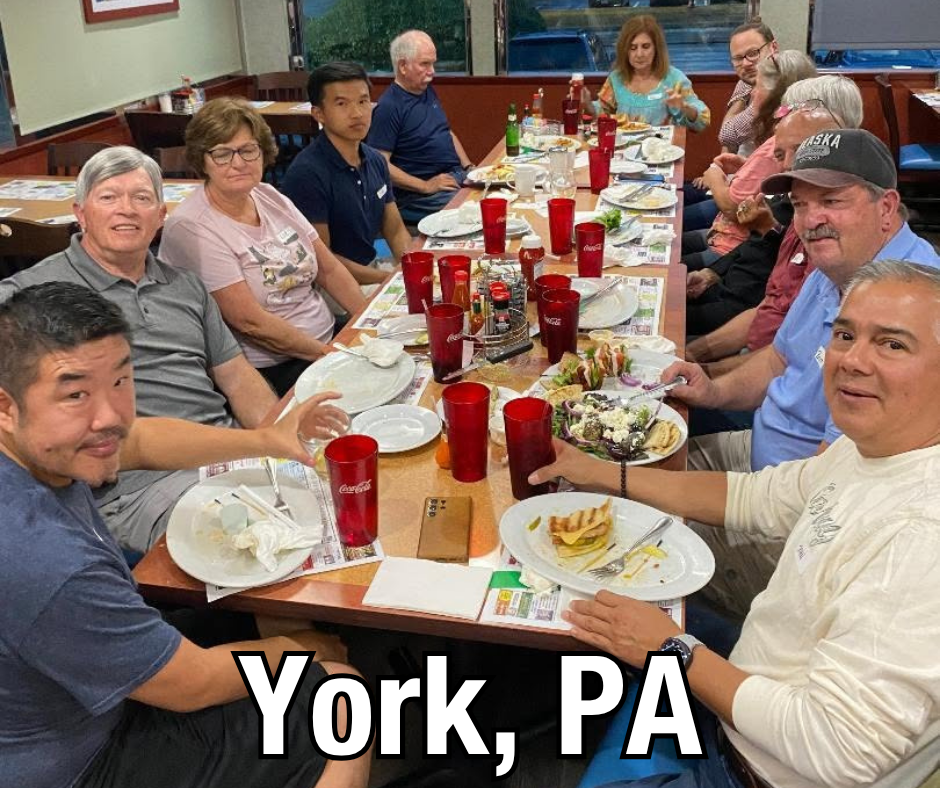
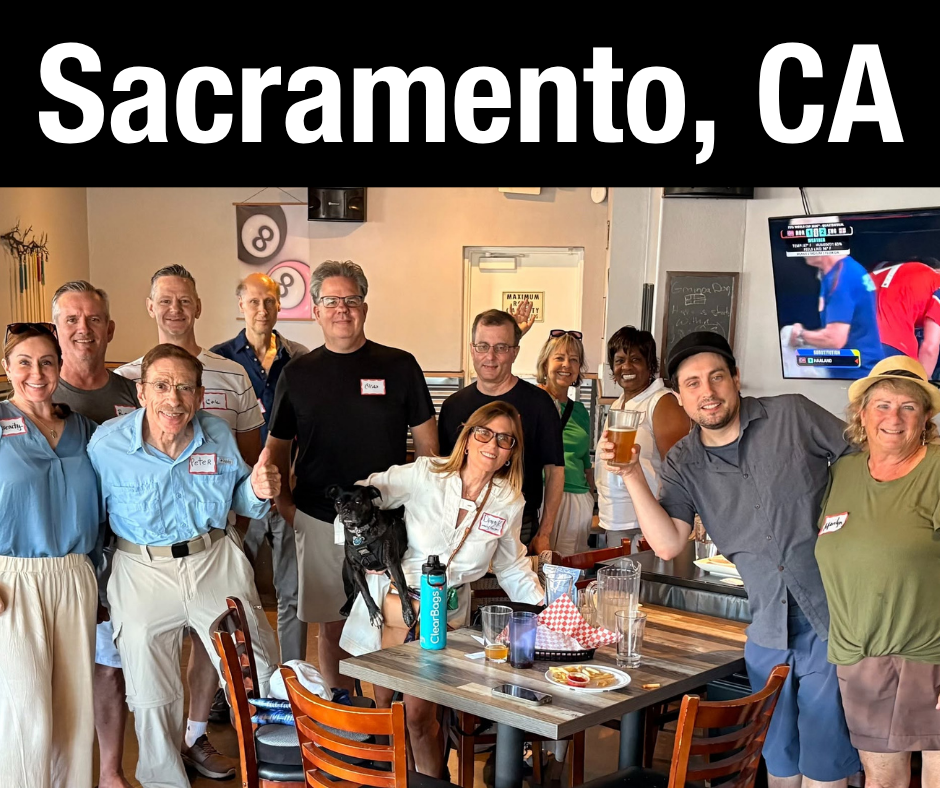
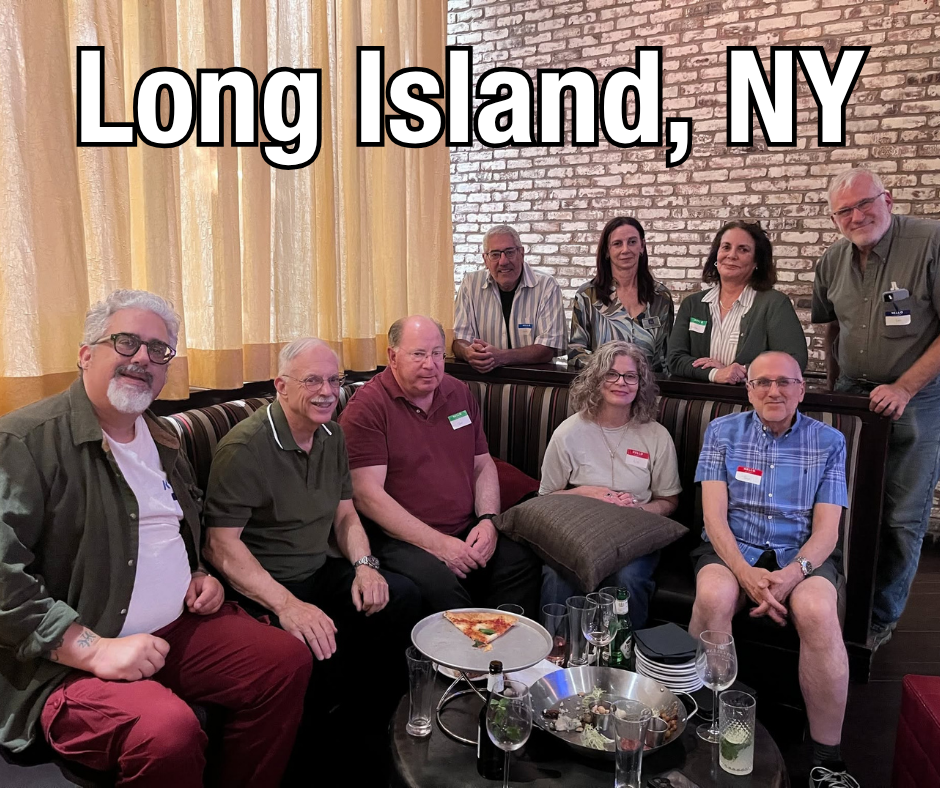
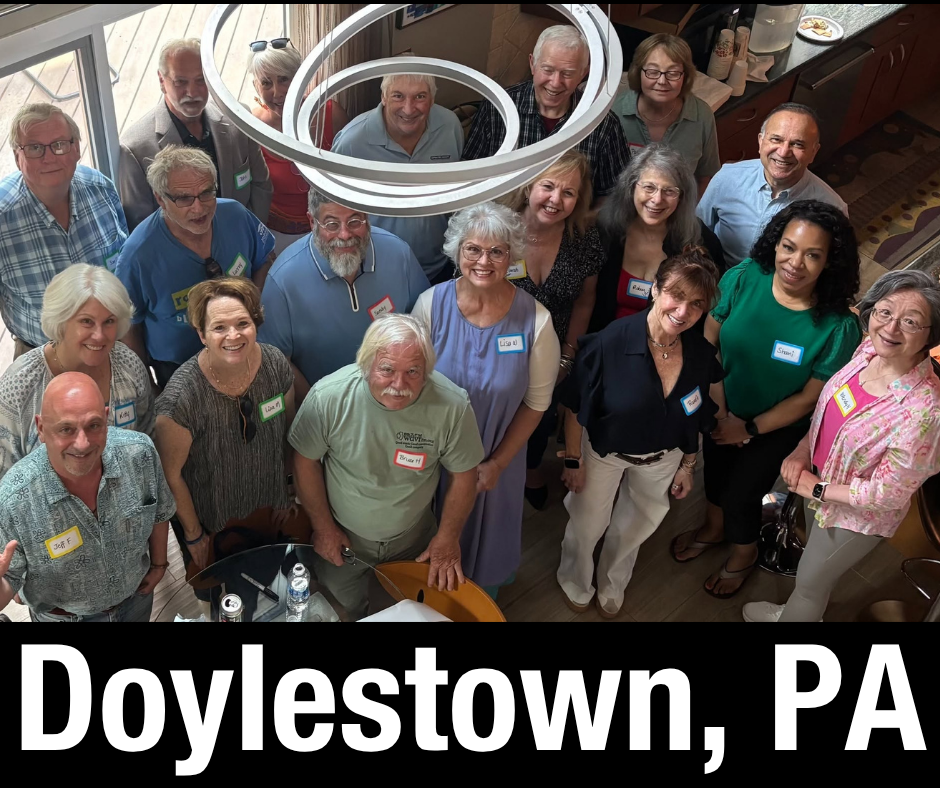
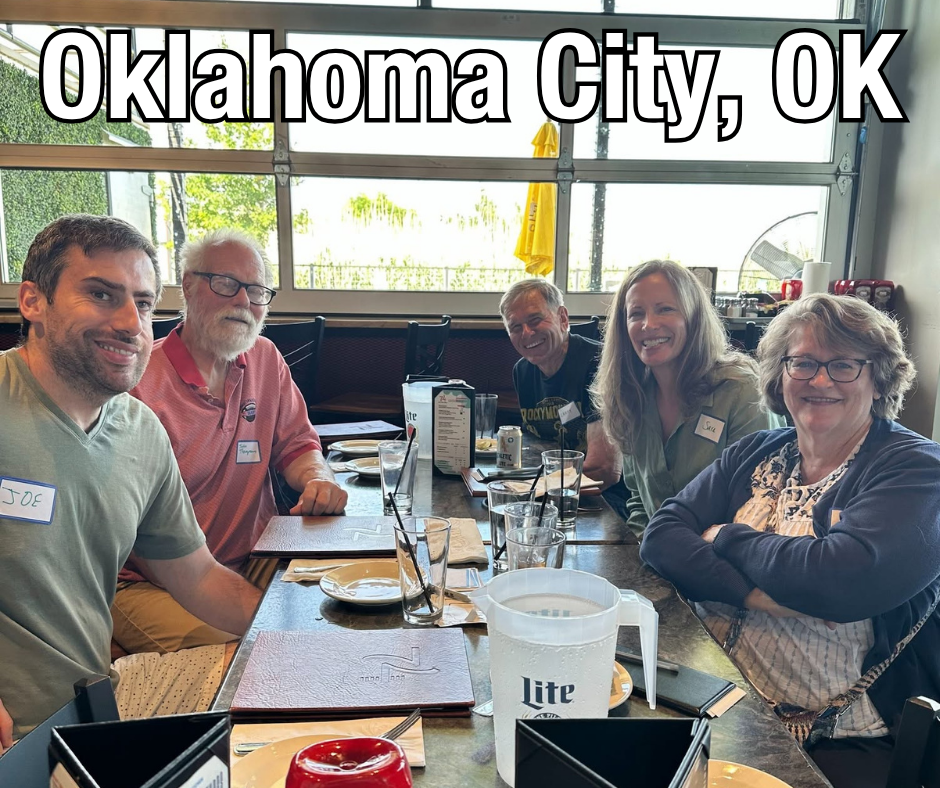
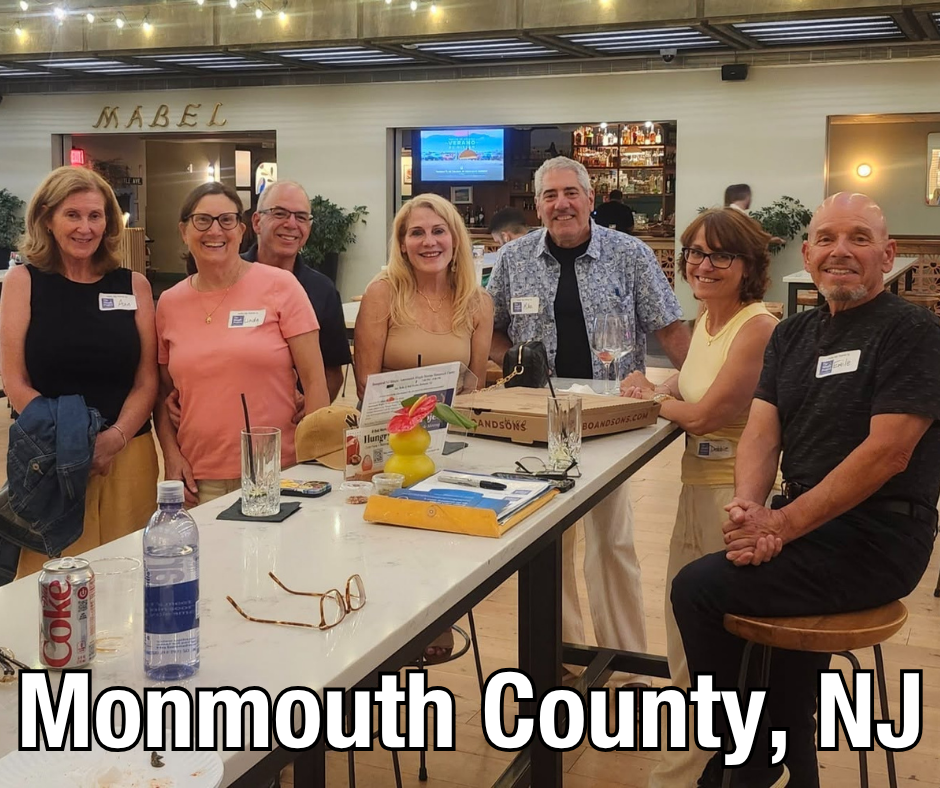
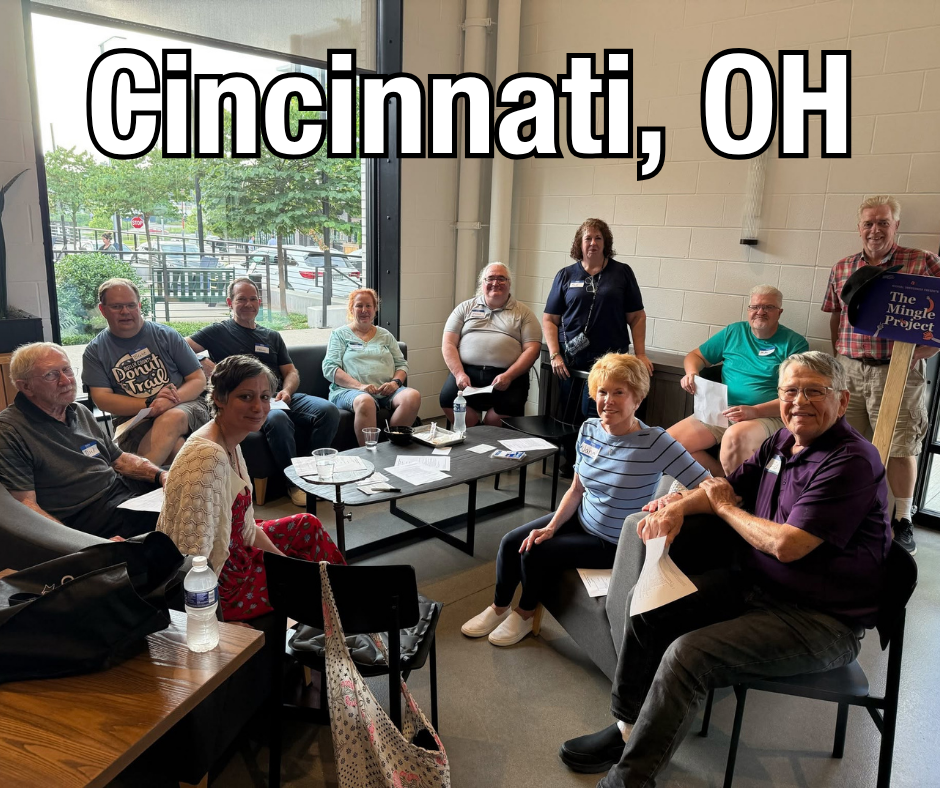
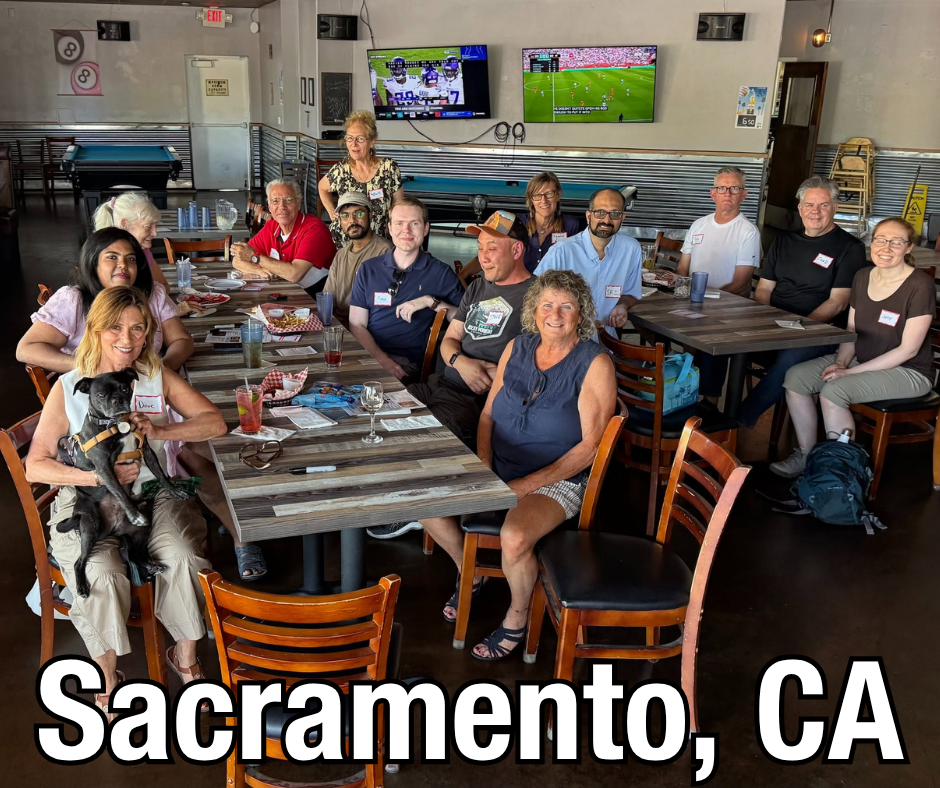
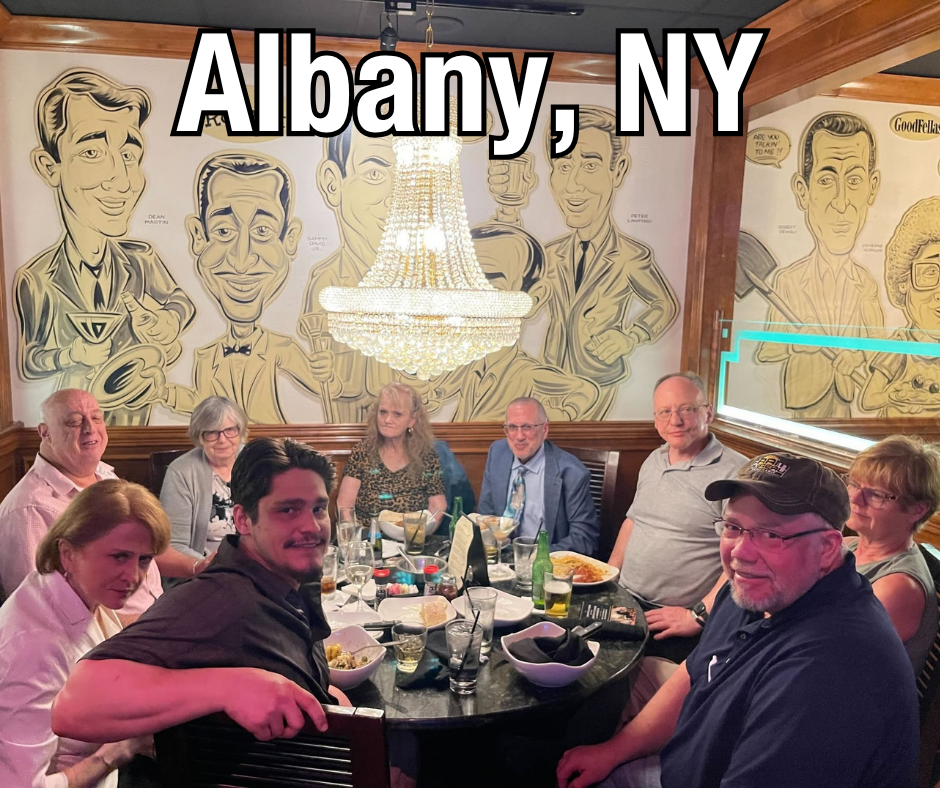
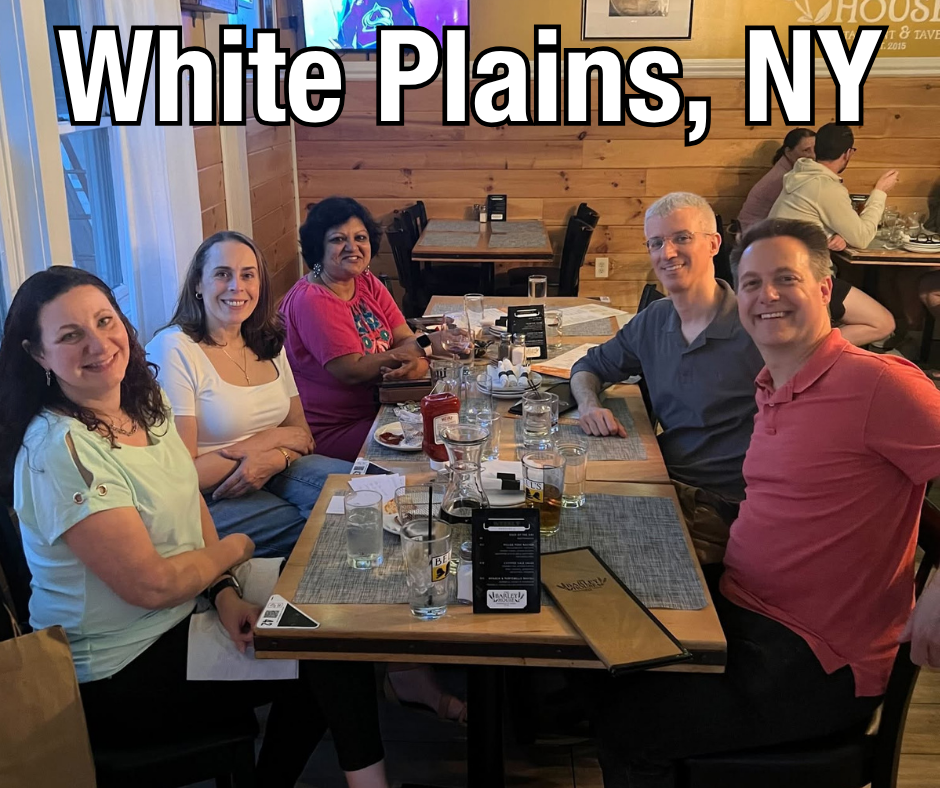
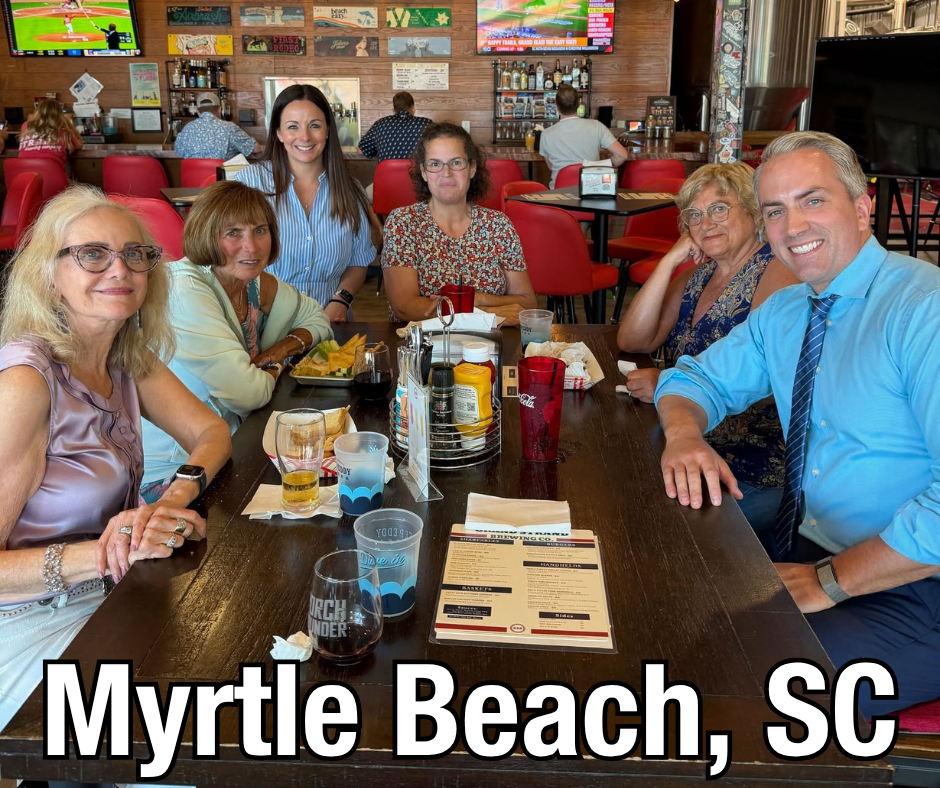
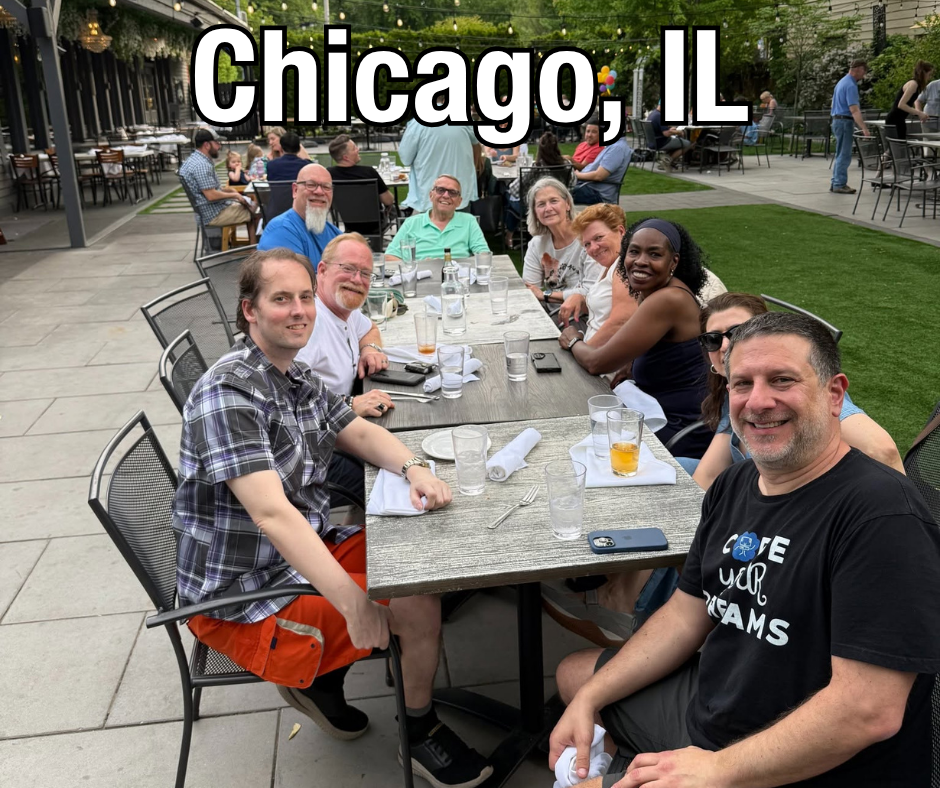
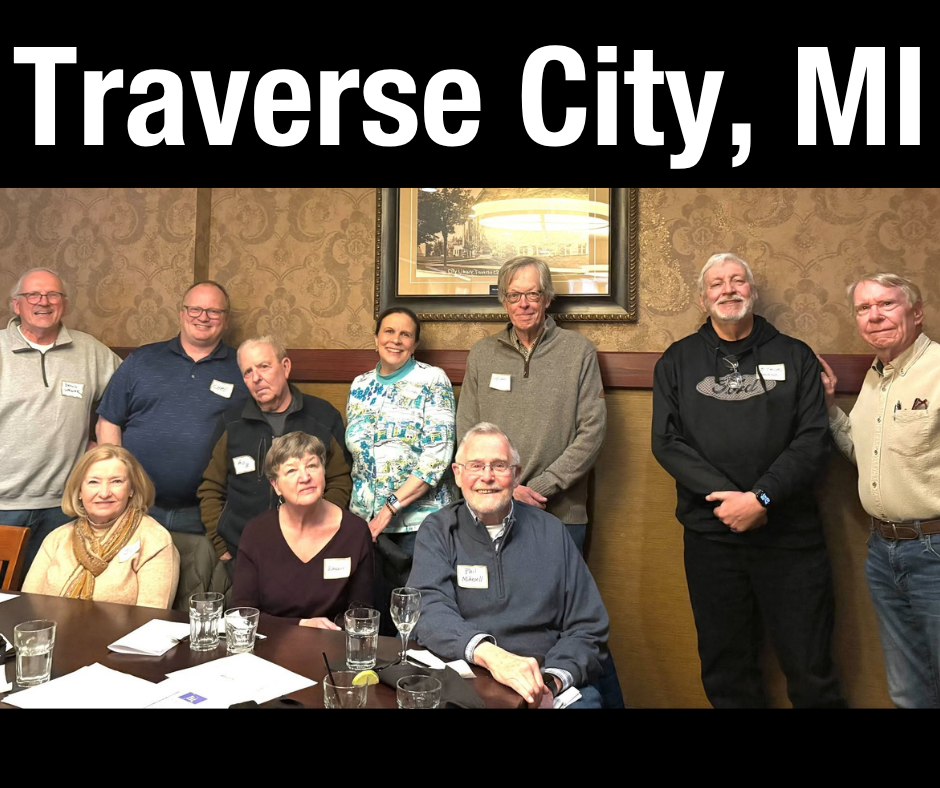
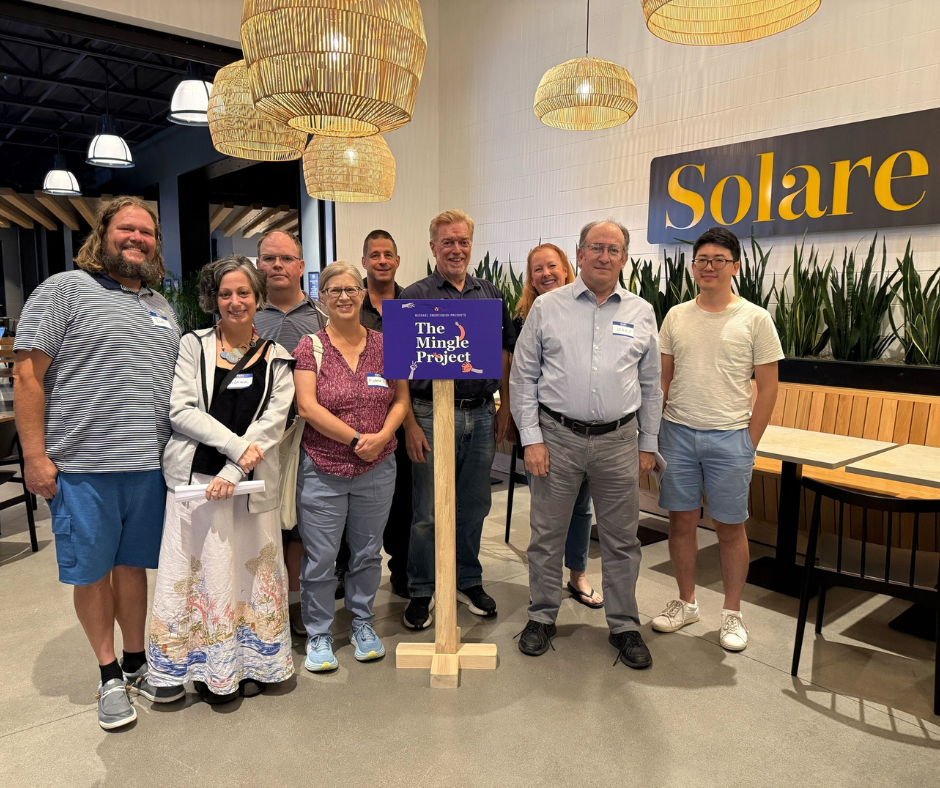
Listeners of Smerconish’s SiriusXM program have organically begun forming Mingle Meet-Ups across the country — small groups now gathering in 28 states for social interaction. Smerconish also curates a collection of relevant news stories, social studies, and his radio and TV interviews on his website.
Today, when Smerconish gets nostalgic for Bus No. 5, it’s no longer for the hiss of the air brakes or the smell of green vinyl seats — it’s for the experience of belonging to a kinetic gathering of different neighborhoods, socializing and learning from one another while building common connection.