

Even After 75 Years, the Scars of the Holocaust Live On

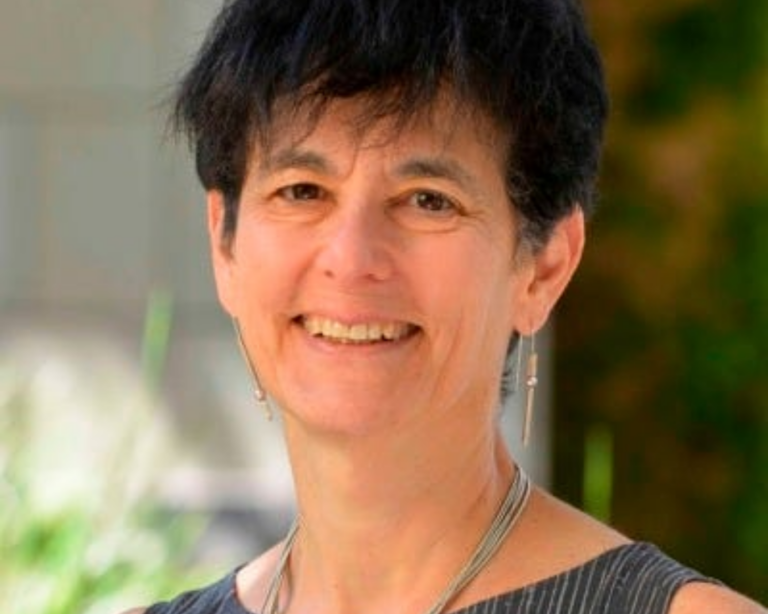
Gili is the editor of Smerconish.com. She recently graduated with honors from Lehigh University with a degree in Journalism, Global Studies and Business.  email: editor@smerconish.com

Gili is the editor of Smerconish.com. She recently graduated with honors from Lehigh University with a degree in Journalism, Global Studies and Business.

email: editor@smerconish.com

On Monday January 27, 2020 the world remembered and celebrated the 75th anniversary of the liberation of the Auschwitz death camp in Poland.

It was quite an emotional event; hundreds of Holocaust survivors walked back into the former concentration camp grounds accompanied by government officials from all over the world as the remembered and mourned the millions of people that died there at the hands of the Nazi’s.

As a fourth generation holocaust survivor, simply hearing the word ‘Auschwitz’ sends a cold current running through my body. A place I have never been to, yet have heard so many horrifying things about.

You might be wondering what a “fourth generation holocaust survivor” means, let me explain, because I use that term with a lot of intention.

My great-grandparents on my mother’s side survived the horrors of the holocaust and my great-grandfather on my father’s side escaped Eastern Europe just in time, but unfortunately his parents and six siblings were murdered in the holocaust. Although my great-grandfather who escaped suffered his own traumas, I want to focus on my mother’s side of the family because they experienced all the traumatic thoughts, emotions and moments of the holocaust. The holocaust scarred them and although they survived it, they were never the same as before.

At this point it is rational to ask this question: Yes, your great-grandparents went through unthinkable trauma, but what makes you, a girl who was born far away from the holocaust in both time and space, a survivor of this genocide?

It was obvious to the world that people who directly experienced genocide would be impacted by the trauma in their day-to-day lives and especially with their mental and physical health. But only fairly recently has science proven that these post-traumatic stress disorders can actually be inherited.

Now hear me out because this is not a simple subject to wrap your brain around. Especially if you or your immediate family have not experienced significant traumatic incidents, either individually or collectively.

The traumatic experience of the holocaust gave my family and the Jewish people as a whole a big list of negative psychological side effects that are deeply ingrained both in our culture and our DNA.

What I’m trying to say is that the diverse negative traumas of the holocaust were passed down from generation to generation, through both nature and nurture.

Psychologists and geneticists have proven that trauma can be passed down genetically and it can also alter our epigenetics, which just means that trauma can alter the way our genes express themselves throughout our lives and how they have an effect on reprogramming the development of our genes.

Now let’s put the theory aside for a moment because the side effects of this trauma are serious and very real.

According to this research:

“The children of survivors—a surprising number of them, anyway—may be born less able to metabolize stress. They may be born more susceptible to PTSD, a vulnerability expressed in their molecules, neurons, cells, and genes… In particular, they had less cortisol, an important steroid hormone that helps regulate the nervous and immune systems’ responses to extreme stress.”

These genetic disadvantages create all kinds of different intergenerational health problems from increased risk for depression, OCD, eating disorders, anxiety and other stress related mental disorders to fibromyalgia, cardiovascular problems and all types of cancer and disease because the trauma directly impacts your immune system, the natural system in the body that is there to protect and defend you from stress factors in your environment.

When I was born both my grandparents and my parents were of working age, so I was raised, for at least the first few years of my life by my great-grandparents. I was directly exposed to their language, their attitudes, their behavior and their emotions, which of course were all influenced by the trauma they went through during the Holocaust.

For me, the most lasting and most personally notable inherited behavior from the Holocaust has to do with my eating habits. As a child I was constantly feed by my great-grandparents and grandparents because in their mind they wanted me to survive the next holocaust.

When they lived through the holocaust they saw people starve to death and they also developed a deep mistrust, because they, like many other Jews, felt betrayed by the world. This combination of mistrust and fear of starvation gave them all the right excuses to make me into a fat baby. And a fat, and might I add happy, baby I was.

But these initial eating habits weren’t healthy and it took me a long time to realize that and unlearn this unhealthy behavior. Unfortunately, I also discovered that it lead to very severe eating disorders for other members of my family. But fortunately, I was able to rewire my brain once I learned about the intergenerational inherited trauma.

The trauma will haunt me biologically and psychologically forever but there are ways to combat it and awareness definitely freed me from a lot of that hidden burden. I only wish I knew of it sooner.

It is important to point out that any people or persons who went through collective or individual traumas and their offspring are susceptible to the negatives effects of the lived trauma.

Historically groups that we’re institutionally discriminated against include African Americans and the trauma of slavery that has passed down more than 10 generations and Native Americas who suffered genocides before the establishment of the nation, or should I so, for the establishment of the nation. These groups are disadvantaged not only from the continuous, but more subtle, discrimination and racism but also the more horrific traumas of racisms past. And that’s just some of the groups in the U.S….think about all the other minority groups that were discriminated against violently all around the world throughout human history.

That’s why on the 75th anniversary of the liberation of Auschwitz it is not only important to remember and mourn Jews, but to think about all the other peoples who have experienced genocide or political violence and the intergenerational survivors of those traumas who are living with the scars today.

Critical ThinkingGili Remen